
Building Strength at Any Age: Safe Routines for Everyone

Strength training is essential for everyone, irrespective of age. Whether you are a teen just starting your fitness journey or an adult looking to maintain your strength, developing a routine can significantly benefit you. This blog post will guide you through effective and safe strength routines that you can do without any equipment, focusing on bodyweight exercises, proper form, and safety tips.
Understanding the Importance of Strength Training
Strength training is not just about bulking up; it's about building a strong foundation for your body. Regular strength training can increase muscle mass, boost metabolism, and improve bone health. A study conducted by the Journal of Strength and Conditioning Research shows that strength training can enhance overall functional fitness, making daily tasks easier. More importantly, starting strength training at a young age sets the stage for a lifetime of health and mobility.

Safe Bodyweight Exercises for All Ages
Bodyweight exercises are a fantastic way to begin your strength training journey. They use your body weight as resistance, reducing the risk of injury while providing effective workouts. Here are some safe bodyweight exercises suitable for everyone:
Squats
Squats are a fundamental exercise that targets multiple muscle groups, including your thighs, hips, and core. To perform a squat:
Stand with your feet shoulder-width apart.
Push your hips back as if sitting in a chair.
Lower your body until your thighs are parallel to the ground.
Keep your chest up and back straight.
Avoid leaning forward and ensure your knees do not extend past your toes to prevent injury.
Lunges
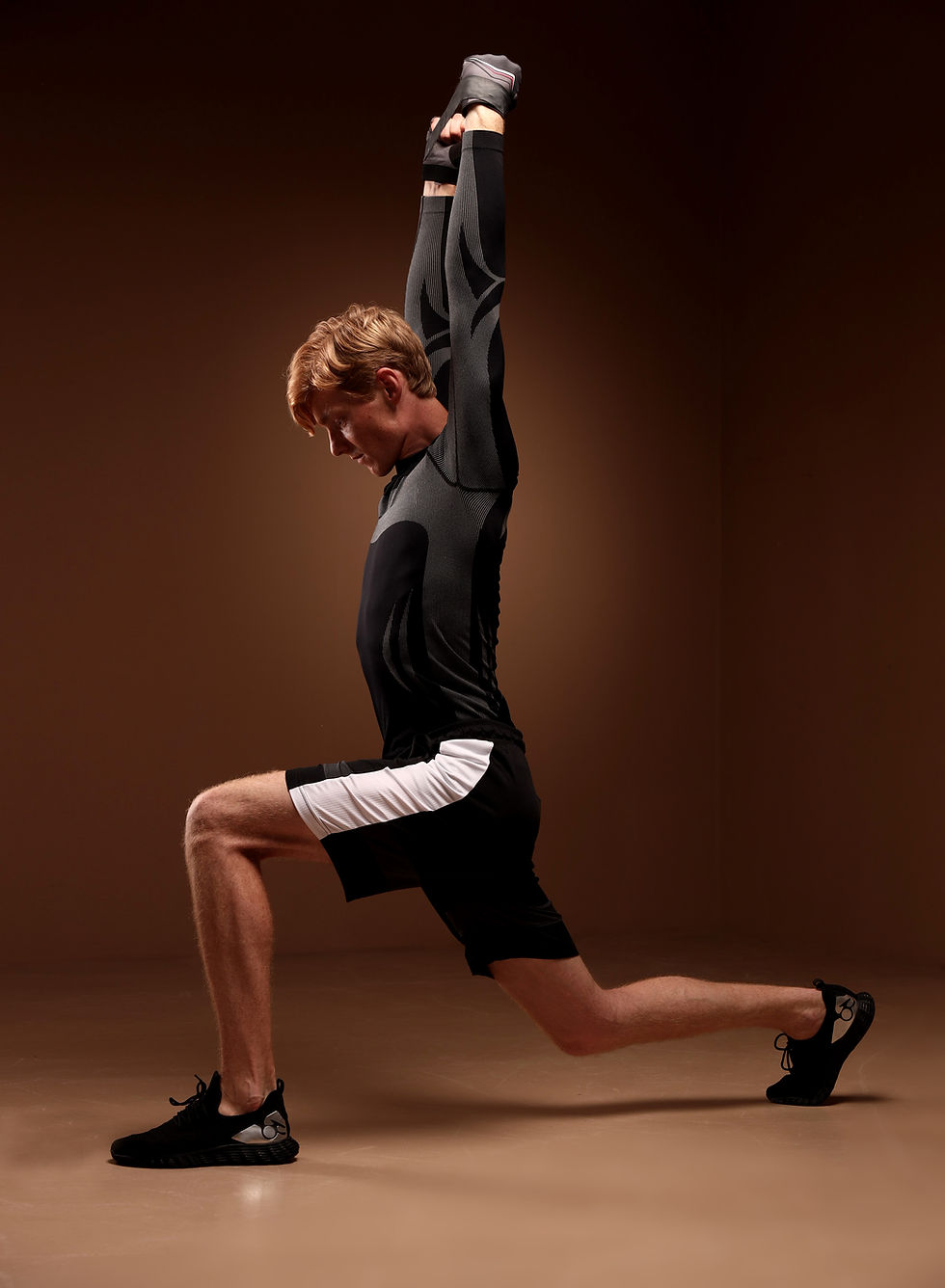
Lunges are excellent for building leg strength. Here's how to do a basic lunge:
Step forward with one foot.
Lower your hips to comfort, moving vertically down- do not slide forward.
Come up, and repeat on one side, then do the other side.
Maintaining proper posture is vital; keep your torso upright and avoid leaning forward.
Push-Ups
Push-ups are a classic exercise that builds upper body strength. For those new to push-ups, here’s a modified version:
Start on your knees and place your hands shoulder-width apart on the ground.
Lower your body towards the floor while keeping your elbows close to your body.
Push back up to the starting position.
Focus on keeping a straight line from your head to your knees for safety. If needed, you can progress to standard push-ups.
Proper Form is Key
One of the most important aspects of strength training is maintaining proper form. Incorrect form can lead to injuries. Here are some tips to ensure correct alignment:
Engage Your Core: Always keep your core tight to support your spine.
Breathe: Don’t hold your breath; exhale during exertion and inhale during relaxation.
Slow and Controlled Movements: Avoid rushing through exercises. Slow movements improve control and engage muscles more effectively.
To further enhance your abdominal workouts, feel free to visit these educational videos for safe exercise demonstrations.

Safety Tips to Avoid Injury
Starting any fitness program can come with risks, especially if you're new to strength training. Follow these safety tips to ensure a safe exercise experience:
Warm-Up and Cool Down: Always include a warm-up to prepare your muscles and a cool down to promote recovery.
Listen to Your Body: Pay attention to how your body feels. If something hurts, stop and assess your technique or skip that exercise.
Stay Hydrated: Keeping hydrated is essential, especially when exercising. Drink water before, during, and after your routines.
Moreover, it’s advisable to consult with a healthcare or fitness professional before starting any new workout routine, especially if you have existing health concerns or injuries.
Progressing Safely
Once you're comfortable with your routine, it’s time to think about progression. Here are some effective ways to gradually increase the intensity of your workouts:
Increase Repetitions: Aim to perform more repetitions of each exercise over time. For instance, if you start with 10 squats, increase to 15 as it becomes easier.
Add Variations: Incorporate more challenging variations of exercises. For instance, try jump squats for a more intense workout.
Change Your Routine: Mix different exercises to avoid hitting a plateau. Rotate through various bodyweight exercises to keep your workouts fresh and engaging.
Set Goals: Establish clear, achievable goals to stay motivated and track your progress. Whether it’s doing a certain number of push-ups or mastering a new exercise, goals will help you stay focused.
Remember, ensuring that you progress at a comfortable pace is critical to avoiding injuries as you build strength.
Starting Your Strength Training Journey
Starting a strength training regimen might seem daunting, but it can be incredibly rewarding. You don’t need a fancy gym or expensive equipment to begin. Focus on bodyweight exercises, prioritize form, and consistently challenge yourself. With dedication and patience, you can build strength that lasts a lifetime.
Strength training improves your physical fitness but also enhances mental health, boosts confidence, and instills a sense of accomplishment. So why wait? Start your strength training journey today and embrace the vast benefits it has to offer.

By following these guidelines, anyone—from teens to adults—can embark on a safe and effective strength training program. Let’s prioritize our health and well-being through the power of strength training at any age!


Comments